What Happens When a Tooth Cracks or Suddenly Starts Aching
A bad ache or a crack that happened an hour ago and one that's been ignored for two weeks get treated very differently.
September 16, 2026 · 3 min read
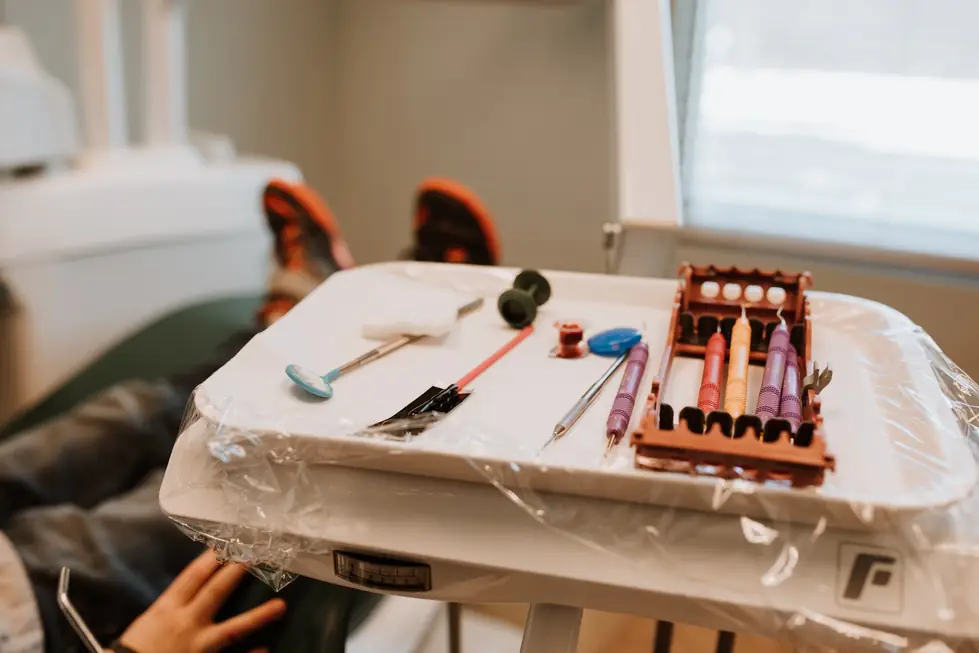
A cracked tooth or a sudden, sharp ache tends to happen at the worst possible time, and the instinct for a lot of people is to wait it out and see if it settles down. Sometimes pain does ease off for a while. That's usually not a good sign. It often means a nerve inside the tooth has died rather than healed, and the problem is still there, just quieter.
What actually causes a bad ache or a crack
A tooth can crack from biting something hard, a blow to the face, grinding at night, or simply from an old filling that's worn thin and no longer supporting the tooth the way it used to. A deep ache with no obvious injury is often decay that's reached the inner pulp of the tooth, or an infection that's built up at the root. Both situations tend to get worse, not better, without treatment.
What a visit for this actually involves
A dentist will usually start with an X-ray to see what's happening below the surface, since a crack or an infection at the root isn't always visible just by looking. From there the exam focuses on where the pain is coming from, whether the crack has reached the nerve, and how much of the tooth structure is still solid enough to build on.
- X-ray to check the root and surrounding bone
- A check of how the tooth responds to temperature and pressure
- A look at whether the crack extends below the gumline
- Pain relief and, if there's infection, antibiotics as a first step
- A plan for the tooth itself, which might mean a filling, a crown, root canal therapy, or in some cases a simple extraction
Why waiting tends to cost more
A small crack caught early might only need a filling or a crown to protect it. The same crack left alone can spread deeper into the tooth, sometimes down to the root, at which point a filling isn't an option anymore and the tooth needs root canal therapy or extraction instead. An infection works the same way. Left untreated, it doesn't stay contained. It's a smaller, faster fix now than it is later.
Why some pain feels worse at night
A lot of people notice a cracked or aching tooth flares up specifically when they lie down, and there's a straightforward reason for it. Lying flat sends more blood to the head, which increases pressure inside a tooth that's already inflamed. It's also quieter at night, with fewer distractions to compete with the ache, so the same level of pain can feel more intense than it did during a busy afternoon. Neither of those things means the problem is getting worse overnight specifically, but it does explain why a dull ache during the day can turn into something that keeps a person awake.
What to do in the meantime
Cold compresses on the outside of the jaw can help with swelling, and avoiding chewing on that side keeps a cracked tooth from getting worse before it's seen. A dentist will usually advise skipping anything very hot, cold, or hard until the tooth has been looked at, since sudden temperature changes are often exactly what triggers the sharpest pain. Over-the-counter pain relief, taken as directed, is reasonable to manage discomfort while waiting for an appointment, but it's treating the symptom, not the tooth. Salt water rinses can help keep the area clean if there's any swelling around the gum, though none of this is a substitute for an actual exam.
A quiet ache is not the same as no problem
One of the more common mistakes is treating a dulled or intermittent ache as a sign the tooth is healing. Pain that comes and goes, or that fades after a few days of being sharp, is sometimes the nerve inside the tooth dying rather than recovering, and a dead nerve doesn't hurt the way a living, inflamed one does. The infection underneath can keep building even while the pain itself quiets down, which is part of why a tooth that felt better for a while can come back with a swollen face or jaw weeks later. A tooth that hurt badly and then stopped hurting is still worth having looked at, not less worth it.
None of that replaces an actual appointment, though. If a tooth is cracked or aching, call Defiance Dental Group at (419) 782-7950 rather than waiting to see if it passes.
Defiance Dental Group, (419) 782-7950
Call (419) 782-7950More articles
What a Cleaning and Checkup Is Actually Looking For
A cleaning looks simple from the chair, but there's a lot happening in twenty minutes that isn't just polish.
Root Canal Therapy, Without the Folklore
The reputation root canals have is mostly about the infection that led to needing one, not the treatment itself.