Root Canal Therapy, Without the Folklore
The reputation root canals have is mostly about the infection that led to needing one, not the treatment itself.
September 16, 2026 · 3 min read
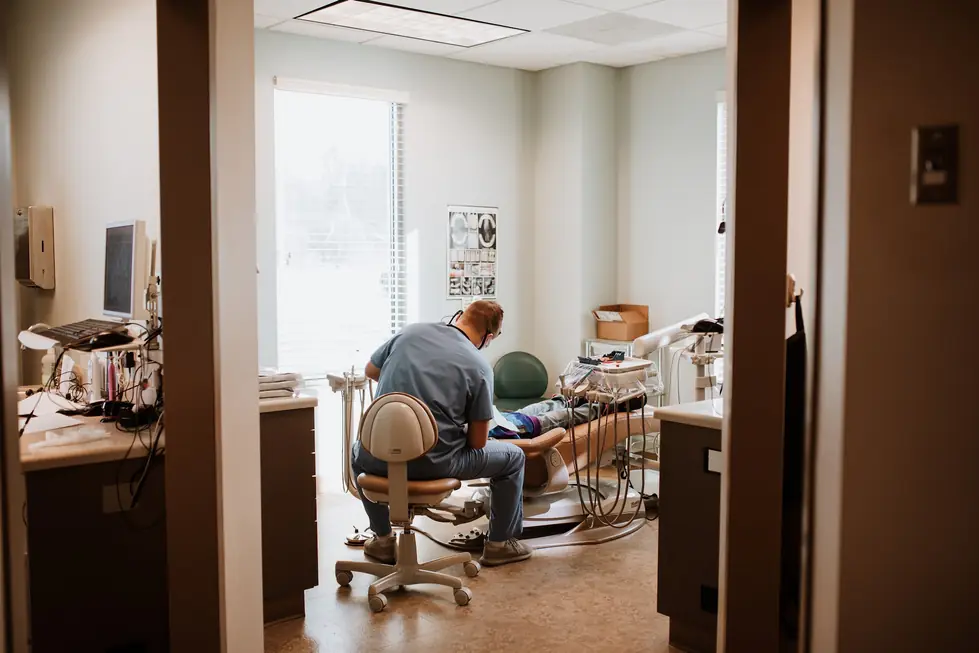
Root canal therapy has one of the worst reputations in dentistry, and most of it doesn't match what actually happens in the chair. The pain people remember is usually the infected tooth before treatment, not the treatment itself. Once a dentist numbs the area and gets to work, root canal therapy is a fairly routine way of saving a tooth that would otherwise need to come out.
Why a tooth needs it in the first place
Inside every tooth, under the enamel and dentin, sits a soft core called the pulp, made up of nerves and blood vessels. When decay, a crack, or repeated dental work lets bacteria reach that pulp, it can become infected. An infected pulp doesn't heal on its own, and it doesn't stay quiet either. Root canal therapy removes the infected tissue and seals the space so the infection can't come back.
What the appointment actually involves
The tooth and surrounding area get numbed the same way they would for a filling. The dentist creates a small opening to reach the pulp chamber, removes the infected tissue, and cleans and shapes the narrow canals inside the root. Once that space is clean, it's filled with a biocompatible material and sealed. Most people describe the sensation as similar to getting a deep filling, mainly pressure rather than pain, because the area is numbed the same way.
- Numbing the tooth and surrounding gum
- Removing the infected or damaged pulp
- Cleaning and shaping the canals inside the root
- Filling and sealing the space
- A crown afterward to protect what's left of the tooth
Why a crown usually follows
A tooth that's had root canal therapy has had a good deal of its internal structure removed, which leaves it more brittle than a tooth with an intact pulp, especially on the back teeth that take the most force from chewing. A crown covers and protects the tooth so it can handle normal biting without cracking. Skipping the crown after a root canal is one of the more common reasons a treated tooth ends up fracturing later.
Where the reputation actually comes from
The dread around root canal therapy mostly traces back to before modern numbing and technique were standard, and it's kept alive by people repeating a story rather than describing their own experience. The tooth that needs a root canal is usually already sore, sometimes severely, before treatment even starts. Once numbing takes hold, the procedure itself removes the source of that pain rather than adding to it. Comparing how a tooth feels the day before treatment to how it feels during the treatment is really comparing an untreated infection to a numbed procedure, which is why the reputation doesn't line up with what patients actually describe afterward.
What recovery actually feels like
Some soreness for a few days afterward is normal, particularly around the gum where the numbing was administered, and it typically responds to the same over-the-counter pain relief a person would use for any dental work. Chewing on the treated side for a day or two while the tooth settles is a reasonable precaution, especially before the permanent crown goes on. What shouldn't happen is the same sharp, throbbing pain that brought the person in to begin with. If a treated tooth continues to hurt sharply after the numbness wears off, or swelling develops, that's worth a call rather than waiting it out. Defiance Dental Group can be reached at (419) 782-7950.
What happens if root canal therapy isn't done
The alternative to root canal therapy for an infected tooth isn't leaving it alone and hoping it settles. An untreated infection at the root doesn't stay contained to that one tooth indefinitely, and the two realistic paths from there are treating the tooth to save it, or extracting it once it can't be saved. A lot of people assume pulling the tooth is the simpler option, but a missing tooth changes how neighboring teeth drift over time and how the bite comes together, which tends to create its own set of problems down the line, sometimes years later and in a tooth that was never the original issue. Saving the natural tooth with root canal therapy, when it's still possible, usually keeps things simplest in the long run, both for the tooth itself and for everything around it.
Defiance Dental Group, (419) 782-7950
Call (419) 782-7950More articles
What a Cleaning and Checkup Is Actually Looking For
A cleaning looks simple from the chair, but there's a lot happening in twenty minutes that isn't just polish.
What Happens When a Tooth Cracks or Suddenly Starts Aching
A bad ache or a crack that happened an hour ago and one that's been ignored for two weeks get treated very differently.