The Signs of Grinding Your Teeth at Night, and What Helps
A lot of people grinding their teeth at night have no idea they're doing it until a dentist points out the wear.
September 16, 2026 · 3 min read
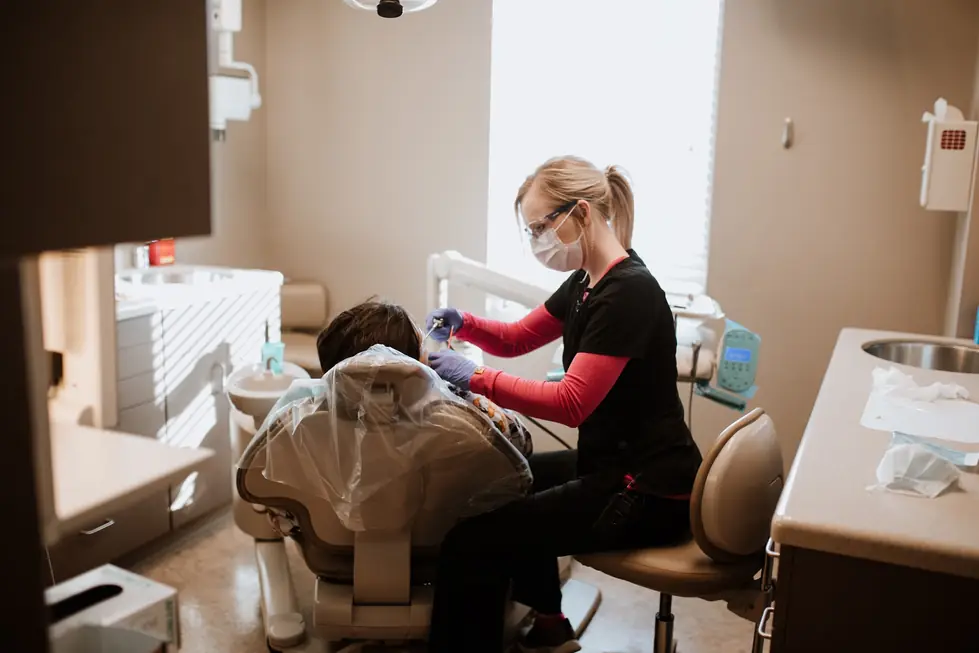
Bruxism is the clinical name for grinding or clenching the teeth, most often during sleep, and it's one of those conditions a person rarely notices in themselves. The person who does notice, more often than not, is whoever shares a bed with them, or a dentist who spots the wear pattern during a routine exam.
The signs that usually show up first
A dull ache in the jaw first thing in the morning is one of the more common early signs, along with headaches that seem to start at the temples rather than anywhere else. Teeth themselves can start looking flatter than they used to, particularly along the biting edges, and some people notice increased sensitivity to cold or sweet foods as enamel wears thinner over time.
- Jaw soreness or tightness on waking
- Headaches centered around the temples
- Flattened or visibly worn edges on the front teeth
- Increased tooth sensitivity
- A partner reporting grinding sounds during sleep
- Small cracks or chips appearing in teeth without an obvious cause
What tends to cause it
Stress is one of the more common contributors, since clenching the jaw is a physical response a lot of people carry without realizing it. Sleep quality plays a role too, and so can the alignment of the bite itself, where teeth that don't quite meet the way they should end up under uneven pressure during sleep. It's rarely just one single cause, which is part of why it can be tricky to notice from the inside.
Why it's worth dealing with rather than ignoring
The wear from grinding doesn't reverse itself, and it isn't gradual and even, either. Enamel wears down at the points where teeth make the most contact, which can lead to flattened biting surfaces, small cracks, and in more severe cases, teeth that need crowns to rebuild what's been worn away. The jaw joint itself can also take a toll, and ongoing clenching is a common contributor to jaw pain that shows up as a separate complaint entirely.
Why a store-bought guard usually isn't the answer
The soft, boil-and-bite guards sold at pharmacies are made to a generic shape, not to the person wearing them, and a loose or thick guard can actually make someone clench harder against it rather than less. A guard fitted specifically to a person's bite sits differently, distributes the pressure across the teeth more evenly, and tends to get worn consistently because it's comfortable enough to actually keep in overnight. That fit is also what determines whether the guard is protecting the teeth or just getting chewed through within a few months.
What a dentist can actually do
A dentist will usually start by looking at the wear pattern during a routine exam, which is often the first real evidence that grinding is happening at all, since a lot of people who grind their teeth have no memory of doing it. A custom night guard is the most common approach: a fitted piece worn during sleep that keeps the upper and lower teeth from grinding directly against each other, protecting the enamel without stopping the underlying habit. If teeth have already been worn down or cracked, restorative work like a crown may be needed alongside it to rebuild what's already been lost. None of this requires waiting until damage is obvious. If you suspect you're grinding, or a partner has mentioned it, that's worth mentioning at your next visit. Defiance Dental Group can be reached at (419) 782-7950.
Why it's easy to go a long time without knowing
Grinding happens during sleep, usually in the deeper stages, which means there's no waking memory of it forming to begin with. Someone living alone, or whose partner is a heavy sleeper, can go years without any outside signal that it's happening at all, and the jaw soreness in the morning is easy to write off as a bad night's sleep or an odd sleeping position rather than connect back to the teeth. That's a big part of why it's so often a dentist who raises it first, simply because a dental exam is one of the few places the physical evidence, the wear on the teeth themselves, actually gets looked at directly.
Defiance Dental Group, (419) 782-7950
Call (419) 782-7950More articles
What a Cleaning and Checkup Is Actually Looking For
A cleaning looks simple from the chair, but there's a lot happening in twenty minutes that isn't just polish.
What Happens When a Tooth Cracks or Suddenly Starts Aching
A bad ache or a crack that happened an hour ago and one that's been ignored for two weeks get treated very differently.